
How to Store Vegetables from the Garden
Storing vegetables from the garden

It's harvest time and if you’re wondering how to store your bumper crop of garden vegetables, we can help! Follow our easy guide of storing tips to keep your veggies fresh during the winter months ahead.
If you’ve got a garden larger than a balcony flowerbox, it’s important to know the correct way to store your harvest for use over the next several months. Here are some garden veggie storage best practices from our team of home economists:
General Tips:
- Be gentle. Many root vegetables are easily bruised and damaged and this affects how long you can store them.
- Use any damaged or split vegetables quickly after harvest.
- Check your stored vegetables often. Discard any vegetables that are wilting or showing signs of spoilage.
- Stored vegetables that are sprouting can be a sign that you are storing at too warm a temperature.
Beets
Harvest: Both beet leaves and roots are edible and can be harvested at any size. Many people prefer young, tender beetroots as older beets can taste woody and become tough.
Storage: Beets are best stored unwashed but with excess dirt removed, in large food-grade freezer bags in a refrigerator or cold room. The beet tops should be trimmed off, leaving 1/2 inch of the crown (greenery on the top). Fresh beets kept in the refrigerator should be eaten within one week. If storing in a cold room, check regularly for signs of sprouting as sprouting can quickly lead to spoilage.
Carrots & Parsnips
Harvest: Carrots can be harvested at any size throughout the summer months. Carrots and parsnips can be kept in the ground until after the first frost and this typically helps sweeten them.
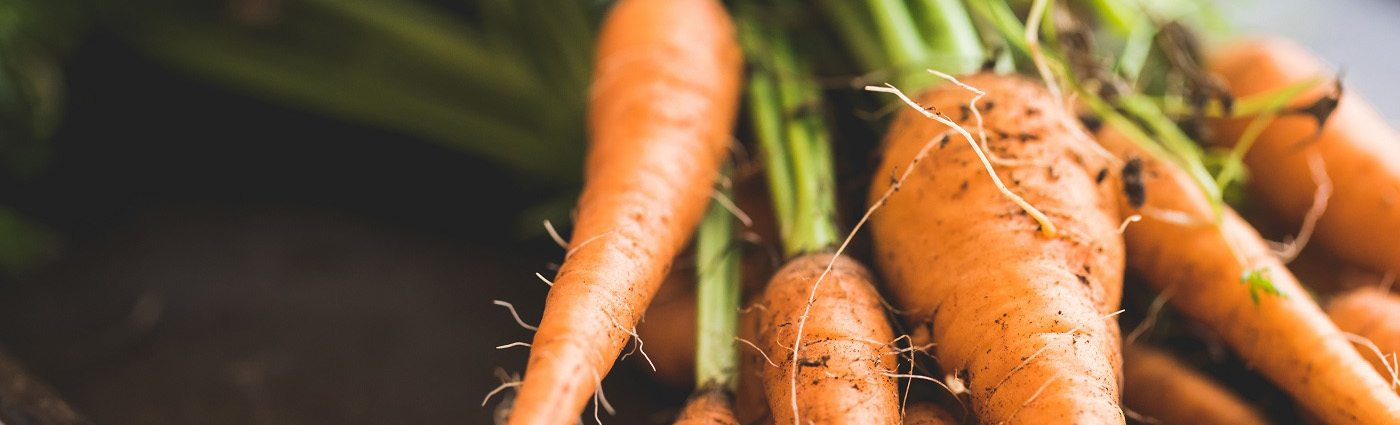
Storage: Only store carrots and parsnips that are whole and unblemished. Use any split or damaged produce within a few days of harvest or discard. Carrots and parsnips should be gently washed and thoroughly dried before storing. Trim tops, leaving a little bit of green, place in plastic food-grade freezer bags lined with paper towels and make several breathing holes in the bags. Store in the refrigerator in a high-humidity crisper drawer or in a cold storage room. Check the carrots and parsnips every few weeks to make sure they’re not drying out but not too wet, as moisture may cause spoilage. If the paper towels are wet, replace them. Discard any spoiled vegetables promptly.
Corn
Harvest: Corn is ready for harvest when the exposed silks have turned brown and the cobs have begun to droop. If you are still unsure, pull back the corn husks; the kernels should be full and will release a milky juice, if cut. To remove cobs from stocks: pull ears down and give then them a twist.
Storage: Corn is best if eaten the day it is picked. If you need to pick corn a few days in advance, submerge cobs in ice water right after harvesting, drain and refrigerate with husks on. If the husks have been removed, store in plastic bags.
Garlic & Onions
Harvest: Wait to harvest your garlic and onions until the exposed leaves are withered and dry and have fallen over on their own. Gently loosen dirt from around the bulbs.
Storage: Garlic and onion bulbs need to cure for long term storage. Allow bulbs to sit in a dry, well-ventilated spot until outer layers are dry and crisp. Once fully dry you can remove the dirtiest layers and any remaining roots, if desired. Store in a cool, dry area.
Potatoes
Harvest: Potatoes can be harvested whenever you think they are big enough to eat. If you are harvesting your potatoes at the end of the season, harvest on a dry day so you can leave the potatoes to cure outside in the shade. Curing your potatoes helps harden the skin but curing in the sun can turn them green.
Storage: Once potatoes have cured, brush off any excess dirt and store in a cool, dry place.
Pumpkin
Harvest: Wait until your pumpkins are a deep rich colour and that you cannot easily pierce the skin with your thumbnail. Cut the vine with a sharp knife, leaving a 2-4 inch stem. To help toughen the skin, allow the pumpkin to cure for 10 days outside, making sure to protect from bad weather, or cure 4 to 5 days in a warm room.
Storage: Once cured, store in a cool, dry place. Storing pumpkins on a cement floor can cause them to rot.
Summer Squash
Harvest: Summer squash should be harvested while the fruit is young and tender. Many summer squash lose their flavour as they mature. When cutting off the vine, leave a 1-inch stem.
Storage: Store summer squash unwashed, in the refrigerator for up to 1 week.
Winter Squash
Winter Harvest: Wait until your squash are a deep rich colour and that you cannot easily pierce the skin with your thumbnail. Cut the vine with a sharp knife, leaving a 2-4 inch stem. To help toughen the skin, allow squash to cure for 10 days outside, making sure to protect from bad weather, or cure 4 to 5 days in a warm room.
Winter storage: Once cured, store in a cool, dry place. Storing squash on a cement floor can cause them to rot.